

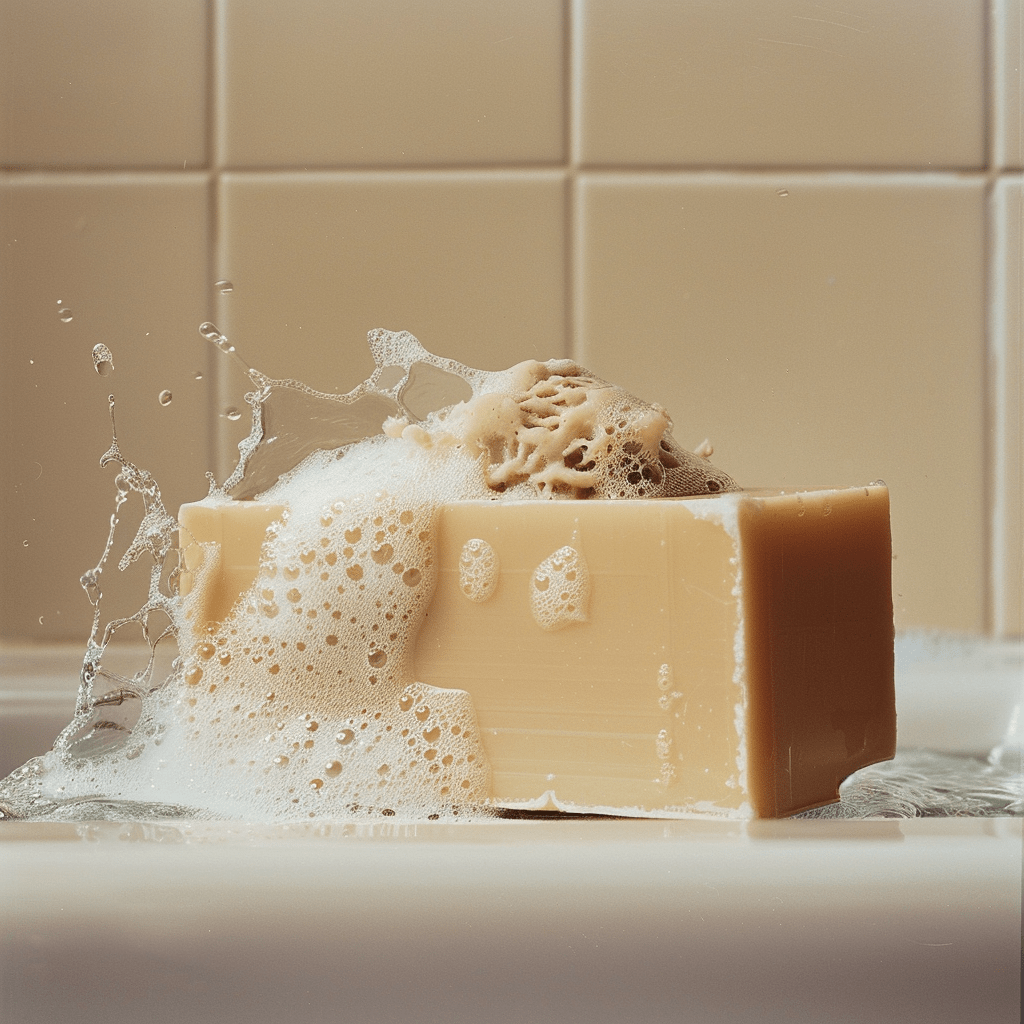
Have you ever wondered how soap works to clean your hands? Well, let’s break it down for you. Soap is a fascinating substance that uses the power of science to remove dirt and bacteria from your skin. When you lather up, the surfactants in soap interact with water, creating a magical combination that breaks down dirt and grease. And here’s the best part – soap has antibacterial properties too! So next time you wash your hands, remember that soap is working hard to keep you healthy and clean.
The Science Behind Soap
Soap is made up of molecules that have a unique ability to interact with both water and oil. When you use soap, these special molecules called surfactants work their magic. They have a hydrophilic (water-loving) head and a hydrophobic (oil-loving) tail. This allows them to form a bridge between water and oil, bringing them together in one happy mix. So how does this help clean your skin or clothes? Well, when you rub soap onto oily or dirty surfaces, the surfactant molecules surround the dirt particles, lifting them away from the surface. The water then rinses everything off, leaving you with squeaky-clean results. It’s like having a team of tiny cleaners working together to tackle dirt and grime!
The Role of Surfactants
Surfactants play a key role in how soap functions. These compounds are what make soap effective at cleaning and removing dirt and oil from your skin. Here’s why surfactants are so important:
- Surfactants lower the surface tension of water, allowing it to spread more easily over your skin.
- They help to emulsify oils and dirt, suspending them in the water so they can be rinsed away.
- Surfactants also create foam, which not only makes the soap feel luxurious but also helps to lift away debris from your skin.
- In addition, surfactants can have moisturizing properties, leaving your skin feeling soft and hydrated after washing.
How Soap Interacts With Water
When mixed with water, soap forms a lather that helps to remove dirt and oil from your skin. But have you ever wondered how this actually works? Soap molecules are unique because they have both hydrophilic (water-loving) and hydrophobic (water-repelling) parts. When you apply soap to your skin and rub it in with water, the hydrophilic ends of the soap molecules surround and trap the dirt or oil particles. At the same time, the hydrophobic tails of the soap molecules attach themselves to water molecules, creating tiny structures called micelles. These micelles then lift away the trapped dirt and oil from your skin, allowing them to be rinsed away when you rinse off the lather. So next time you wash your hands or take a shower, remember that soap is working hard to keep your skin clean and fresh!
Breaking Down Dirt and Grease
Have you ever wondered how dirt and grease are effectively removed from your skin when you wash with soap? It’s quite fascinating! When you lather up with soap, it works its magic by breaking down the bonds between dirt, grease, and your skin. Here’s how it happens:
- Soap molecules have two distinct ends: a hydrophilic (water-loving) head and a hydrophobic (water-repelling) tail.
- The hydrophobic tails of soap molecules attach to the dirt and grease on your skin.
- The hydrophilic heads surround the attached particles, creating tiny clusters called micelles.
- These micelles then lift off the dirt and grease from your skin, allowing them to be rinsed away with water.
Antibacterial Properties of Soap
To better understand the antibacterial properties of soap, you may be curious about how it helps to eliminate harmful bacteria from your skin. Soap contains molecules called surfactants that work to break down and remove dirt, oils, and bacteria from your skin’s surface. These surfactant molecules have a unique structure with a hydrophobic (water-repelling) end and a hydrophilic (water-attracting) end. When you wash your hands or body with soap and water, the surfactant molecules surround the bacteria on your skin, lifting them away as they form tiny droplets called micelles. As you rinse off the soap, these micelles are washed away along with any trapped bacteria. The friction created by rubbing your hands together also helps to physically dislodge bacteria from your skin. So remember, washing with soap and water is an essential step in keeping harmful bacteria at bay and maintaining good hygiene for yourself and those around you.