

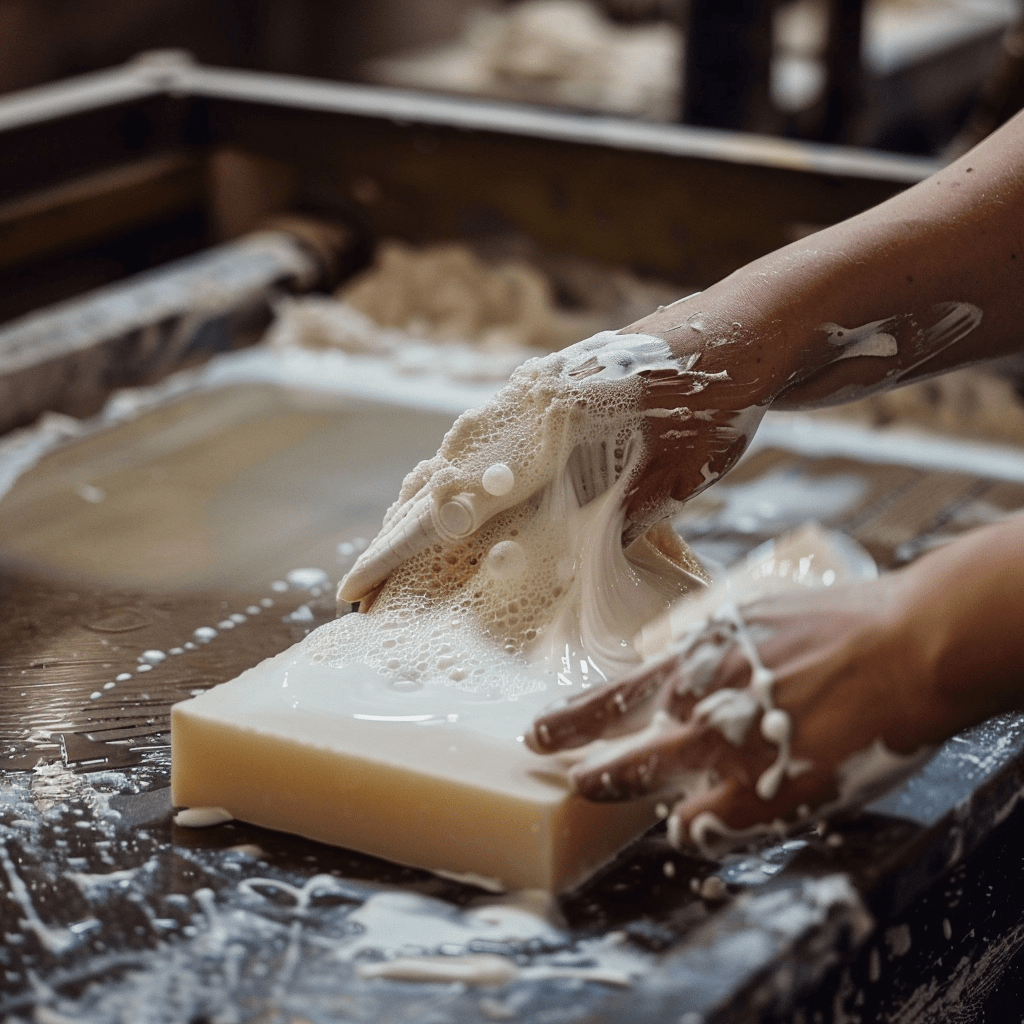
Have you ever wondered how soap is made? Well, prepare to be amazed! In this article, we will take you on a journey through the fascinating world of soap making. You’ll discover the rich history behind this essential product, learn about the ingredients that go into making it, and explore the intricate process of saponification. We’ll even delve into different methods of soap making and share some tips and tricks to help you become a master soap maker. Get ready for an exciting adventure in the world of soap!
The History of Soap Making
If you want to learn about the history of soap making, you should know that it dates back thousands of years. The art of soap making can be traced all the way back to ancient Babylon, around 2800 BC. It was then passed down through generations and across civilizations, with each culture adding their own unique touch to the process. In ancient Egypt, for example, soap was made by mixing animal fats with alkaline salts derived from plants. The Romans took it a step further by introducing scented soaps made from olive oil and aromatic herbs. Soap making continued to evolve throughout history, reaching its peak during the Middle Ages when techniques were refined and trade routes opened up, allowing for the exchange of ideas and ingredients. Today, we continue this tradition with a wide variety of soaps available that cater to different needs and preferences. So next time you lather up in the shower or wash your hands at the sink, remember that you are partaking in a centuries-old tradition that has brought cleanliness and comfort to people across cultures and generations.
Understanding Soap Ingredients
To understand soap ingredients, you need to know what they are and how they work. Soap is a magical concoction that cleanses and nourishes your skin, leaving it feeling soft and refreshed. Let’s dive into the world of soap ingredients together:
- Oils: These are the base of any soap recipe. Olive oil, coconut oil, and shea butter are just a few examples of oils used in soap making.
- Lye: This essential ingredient reacts with oils to create a chemical reaction called saponification. It transforms the oils into soap.
- Fragrance or Essential Oils: These add delightful scents to your soap, making your bathing experience even more enjoyable.
- Additives: From exfoliants like oatmeal and coffee grounds to moisturizing elements like honey or aloe vera gel, additives offer extra benefits for your skin.
Understanding these ingredients gives you the power to choose soaps that suit your needs and preferences. So go ahead and explore the wonderful world of soap making!
The Process of Saponification
When making soap, you’ll witness the fascinating process of saponification as oils and lye react to create a chemical transformation. It’s a captivating sight to behold as these two simple ingredients come together to form something so essential in our everyday lives. Saponification occurs when the lye, also known as sodium hydroxide, reacts with the oils or fats. This reaction breaks down the molecules of both substances and rearranges them into soap molecules and glycerin. The heat generated during this process helps speed up the reaction, resulting in the formation of soap bars or liquid soap. This chemical transformation is remarkable because it allows us to cleanse ourselves effectively and maintain good hygiene. So next time you use your favorite soap, remember the intricate process of saponification that brings it to life!
Different Types of Soap Making Methods
There are various methods available for creating different types of soap. Each method offers a unique experience and allows you to customize your soap to suit your preferences. Here are four popular soap making methods:
- Cold Process: This method involves mixing oils and lye together, allowing them to saponify naturally over time. It gives you the freedom to choose from a wide range of ingredients and create intricate designs.
- Melt and Pour: With this method, you start with a pre-made soap base that you melt down and add fragrance or color to. It is perfect for beginners or those looking for a quick and easy way to make personalized soaps.
- Hot Process: This technique requires cooking the ingredients in a crockpot or oven until saponification occurs. It results in rustic-looking soaps with a shorter cure time.
- Rebatching: Also known as hand milling, this method involves grating pre-made bars of soap, melting them down, and adding additional ingredients before molding them into new bars. It allows you to repurpose leftover or imperfect soaps while adding your personal touch.
With these varied methods at your disposal, you can embark on an exciting journey of soap making that will not only provide nourishing products but also help foster a sense of belonging within the vibrant community of soap makers.
Tips and Tricks for Successful Soap Making
One helpful tip for successful soap making is to carefully measure and mix your ingredients before starting the process. This ensures that you have the right balance of oils, lye, and water to create a high-quality bar of soap. To help you get started, here is a table outlining the basic ingredients and their measurements for a simple cold process soap recipe:
| Ingredient | Quantity |
| Olive Oil | 500 grams |
| Coconut Oil | 300 grams |
| Avocado Oil | 200 grams |
| Lye | 150 grams |
| Water | 350 grams |